How Fit Do You Need to Be for Gorilla Trekking in Rwanda?
Gorilla trekking is a guided hike, not a climb, and people of a wide range of ages and fitness levels do it every day. But it is a hike at altitude through dense, steep forest, and it can be hard work. Knowing what to expect — and preparing a little — makes the hour with the gorillas far more enjoyable.
What the trek is really like
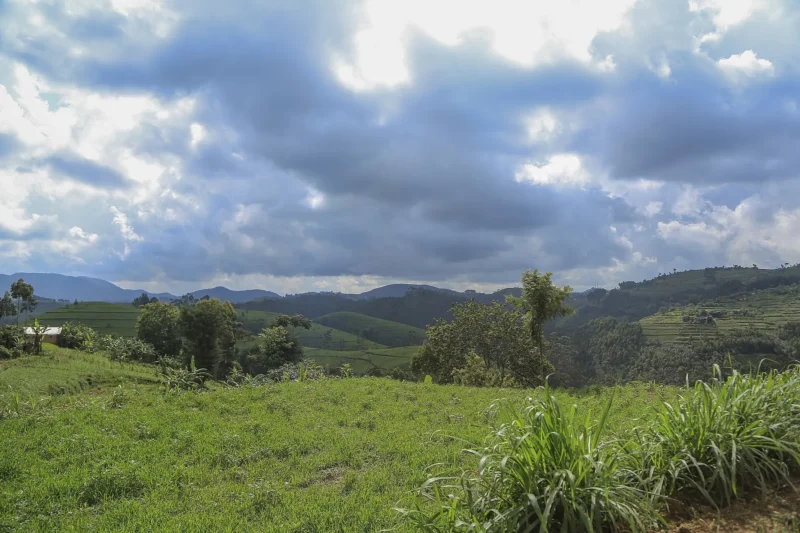
Treks start from the edge of farmland on the lower slopes of the volcanoes, at around 2,500 metres. After a walk through fields, you cross into the park and follow rangers and trackers into bamboo and montane forest. There are often no formal paths near the gorillas; trackers cut a way through nettles and vines with machetes.
- Duration: from about one hour to five or more hours of walking each way, plus one hour with the gorillas.
- Terrain: uneven, steep in places, and muddy after rain.
- Altitude: typically 2,500–3,000 metres or more, so you will feel short of breath sooner than at sea level.
How rangers match groups to fitness
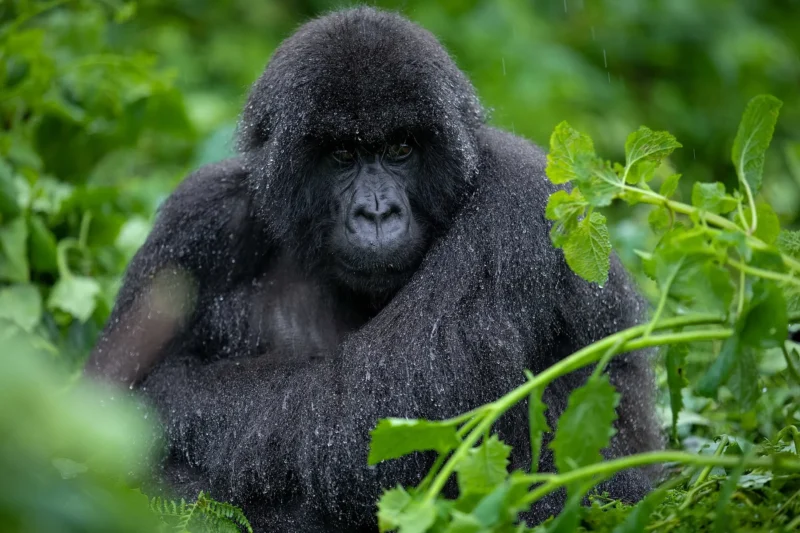
At the 7:00 am briefing in Kinigi, rangers assign visitors to gorilla families. Some families usually live closer to the park edge and others further up the mountains. Your driver-guide speaks to the rangers on your behalf, so tell them honestly if you would prefer a shorter trek. Nothing is guaranteed, because gorillas move every day, but the system works well.
Porters, walking sticks and other help
Hiring a porter is one of the best decisions you can make. Porters carry your daypack, help you up steep banks and down slippery slopes, and the fee supports families living around the park. Walking sticks are handed out at the start. Rangers set a steady pace with frequent stops, and the group moves at the speed of its slowest member.
How to prepare
You do not need a training programme, but six to eight weeks of regular activity helps a great deal:
- Walk uphill. Hills, stairs or an inclined treadmill, building up to an hour or more.
- Walk in your boots. Break in waterproof hiking boots on uneven ground before you travel.
- Strengthen your legs. Squats, lunges and step-ups make the steep sections easier.
- Practise carrying a daypack with water and a rain jacket.
Arriving a day early and staying well hydrated helps your body adjust to the altitude.
What to wear and carry
- Waterproof hiking boots with good grip, and gaiters or long socks to tuck trousers into.
- Long trousers and a long-sleeved shirt to protect against nettles; gardening gloves help too.
- A light rain jacket and a warm layer.
- A daypack with at least a litre of water, snacks and your packed lunch.
- Camera with spare batteries; flash must be turned off.
Health considerations
If you have a heart or lung condition, a recent injury or concerns about altitude, speak to your doctor before booking. Remember that you cannot trek if you have a cold or another infectious illness, because of the risk to the gorillas. Comprehensive travel insurance that covers hiking and medical evacuation is essential.
The bottom line
If you can walk for two or three hours on hilly ground with rests, you can trek gorillas in Rwanda. Prepare a little, hire a porter and tell your guide your preferences — then let the rangers and the gorillas do the rest. Read our gorilla trekking FAQ for more practical answers.
Have a Question?
Ask us anything about this topic or your trip. A Kigali-based trip planner answers by email within one working day.

Gorilla Trekking In Rwanda
Our Kigali-based planners arrange gorilla permits, lodges and transport for private trips across Rwanda.