The Best Time for Gorilla Trekking in Rwanda, Month by Month
You can trek mountain gorillas in Rwanda in any month. The gorillas do not migrate, and treks go ahead in rain or shine. What changes through the year is the state of the trails, the number of other visitors and how far ahead you need to book a permit. Here is how the seasons work and what to expect each month.
Rwanda’s seasons at a glance
Rwanda sits just south of the equator, so temperatures are fairly stable all year. Altitude matters more than season: at the trailheads around Kinigi, mornings can be 10–15°C and the forest is cool and damp. The year divides into four seasons:
| Season | Months | What to expect |
|---|---|---|
| Long dry season | June – September | Driest trails and clearest views; peak demand for permits. |
| Short rains | October – November | Showers, usually in the afternoon; quieter lodges. |
| Short dry season | December – February | Mostly dry with occasional rain; busy over the holidays. |
| Long rains | March – May | The wettest period, especially April; lush forest and the fewest visitors. |
The dry seasons: June to September and December to February
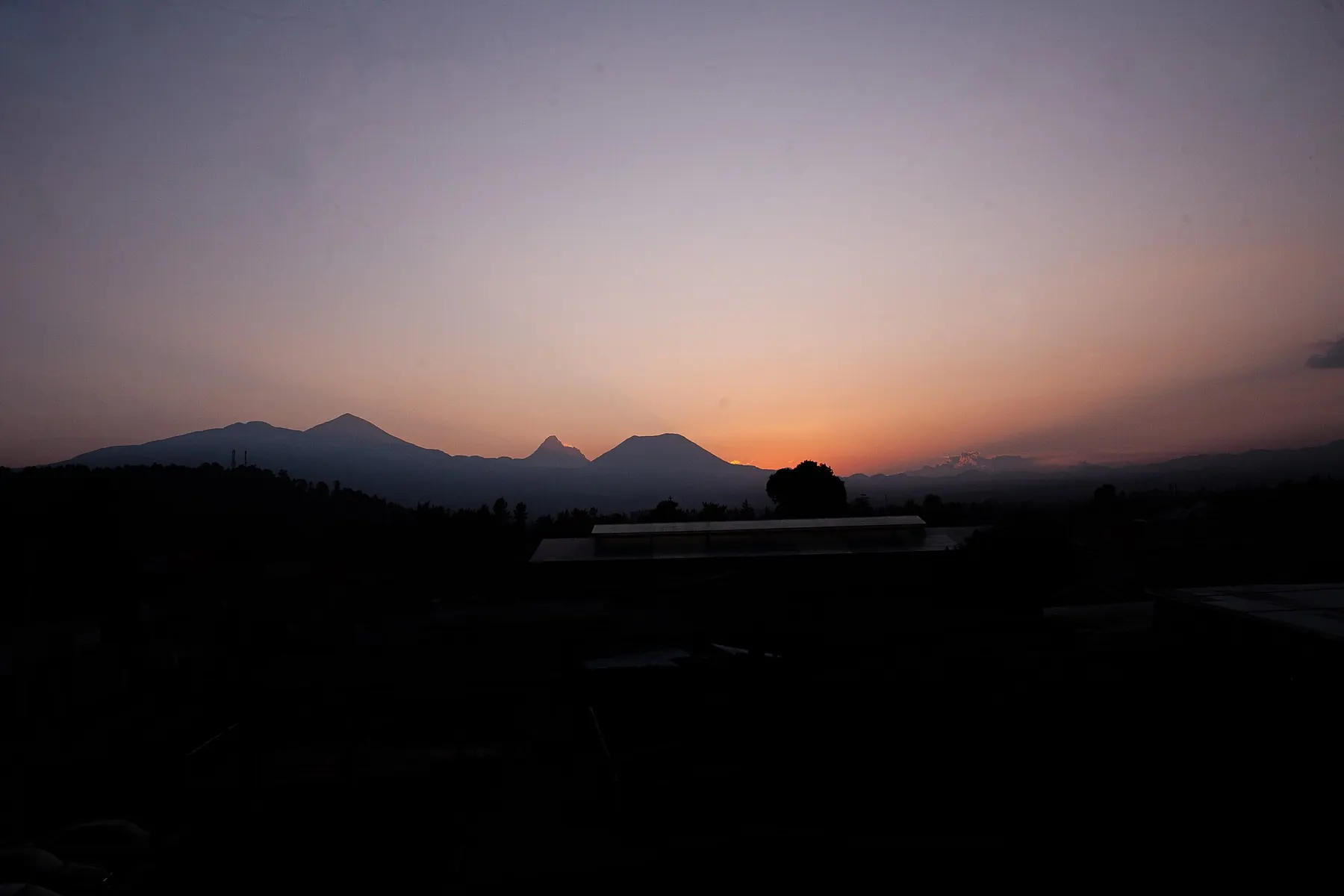
These are the most popular months. Paths are firmer and less slippery, which makes hiking easier, and the views of the volcanoes are at their best. They are also the months when permits sell out first, especially from July to September, so book early. Even in the dry season, the high forest can be damp and misty; pack a rain jacket regardless.
The wet seasons: March to May and October to November
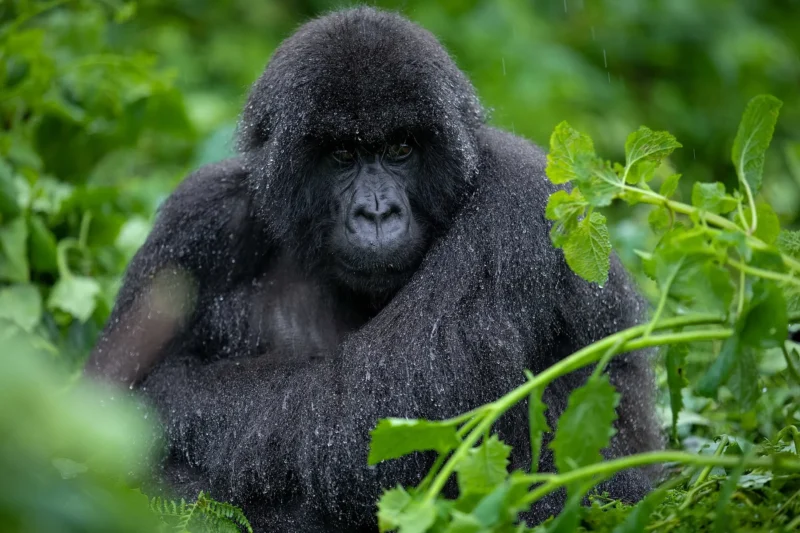
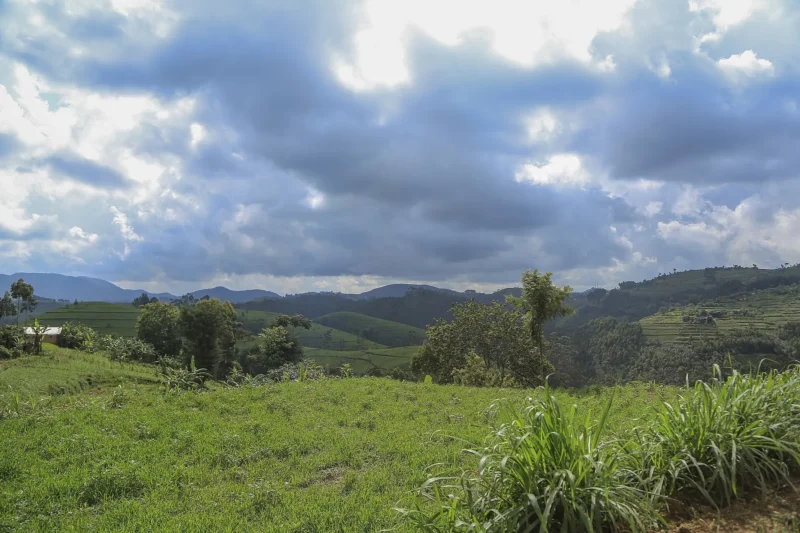
Rain in the Virungas usually comes as heavy showers rather than all-day downpours, and mornings are often clear. Trails are muddier and steeper sections are slippery, so good boots, gaiters and gloves become essential. In return you get a greener forest, fewer vehicles at the park headquarters and more choice of permit dates and lodges. Some travellers notice that gorillas may stay at lower altitudes when food is plentiful, though this varies from family to family.
Month by month
- January – February: Mostly dry and a good alternative to the mid-year peak.
- March: Rains begin; quieter and still a reasonable time to trek.
- April: Usually the wettest month. Best for travellers who are flexible and well equipped.
- May: Rain eases towards the end of the month; very green.
- June: The dry season starts and demand rises.
- July – August: Peak season. Book permits and lodges well ahead.
- September: Still dry and busy. Rwanda’s annual gorilla naming ceremony, Kwita Izina, is usually held around this time.
- October – November: Short rains; a good-value time to travel.
- December: Dry spells return; the holiday weeks fill quickly.
Matching the season to the rest of your trip
If you are adding other parks, the timing can tip the balance. Game viewing in Akagera National Park is best in the dry seasons, when animals gather near water. In Nyungwe Forest, chimpanzees can be easier to find in the wetter months when fruit is plentiful. Lake Kivu is pleasant all year.
Our advice
Choose your month based on when you can travel and how far ahead you can book, not the weather alone. A trek in April can be every bit as memorable as one in August — and the mud is part of the story. Whatever the month, plan for a cool, damp forest and pack accordingly.
Have a Question?
Ask us anything about this topic or your trip. A Kigali-based trip planner answers by email within one working day.

Gorilla Trekking In Rwanda
Our Kigali-based planners arrange gorilla permits, lodges and transport for private trips across Rwanda.