Rwanda Gorilla Permit Cost in 2026: Price, Booking and Rules
A gorilla trekking permit in Rwanda costs US$1,500 per person for international visitors. It is the single biggest cost of a Rwanda gorilla trip, and it is set by the Rwanda Development Board (RDB), not by tour operators — so every company pays the same price for the same permit. This guide explains what the permit includes, how booking works and how to budget for the rest of your trip.
What the US$1,500 permit covers
The permit gives one person the right to join a gorilla trekking group in Volcanoes National Park on a specific date. It includes:
- Park entry for the day of the trek.
- The morning briefing at the park headquarters in Kinigi.
- Your ranger-guide, the trackers who locate the gorillas and the armed escort who accompanies the group.
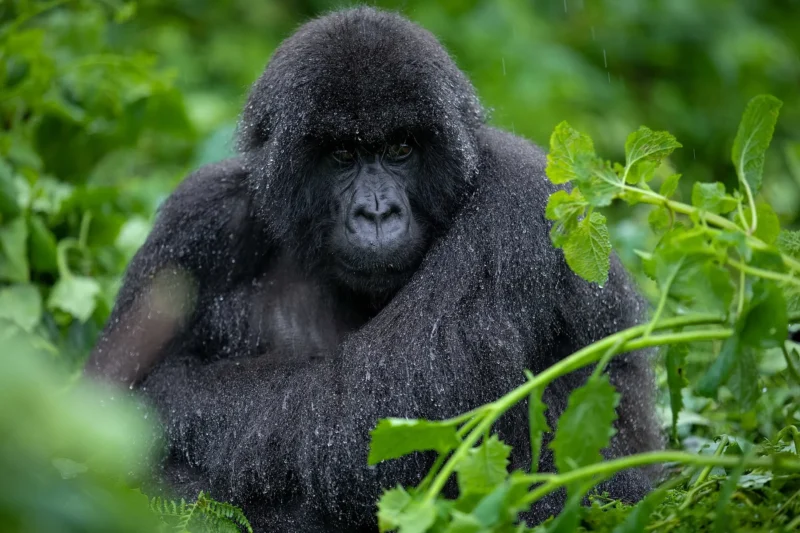
- One hour with a habituated gorilla family once your group reaches them.
It does not include transport to the park, accommodation, porters, tips or any other activity. Golden monkey tracking, the Dian Fossey tomb hike and volcano climbs each need their own permit.
2026 permit rates by visitor category
In January 2026 the RDB extended its promotional rates for African visitors. International visitors are not affected.
| Visitor category | Permit price | When it applies |
|---|---|---|
| International visitors (non-African) | US$1,500 | All year |
| African citizens and residents of African countries | US$500 | January–May and November–December 2026 |
| Rwandan and East African Community citizens | US$200 | January–May and November–December 2026 |
The reduced rates do not apply from June to October 2026, the peak season. To qualify for the African rate you need a passport plus proof of residence, such as a resident ID or a visa showing at least four months’ residence. Rates are set by the RDB and can change, so we confirm the price that applies to you before booking.
Why does a Rwanda gorilla permit cost so much?
Rwanda raised the price to US$1,500 in 2017 as part of a deliberate high-value, low-volume approach to tourism. Only eight visitors may visit each habituated family per day, which limits stress on the gorillas and the risk of passing on human illnesses. Permit revenue funds rangers, veterinary care and park management, and a share of park tourism revenue is invested in the communities around the park.
The approach is working: mountain gorilla numbers have grown, and in 2018 the IUCN moved the species from Critically Endangered to Endangered. The total population across the Virungas and Bwindi was estimated at just over 1,000 animals in the most recent censuses.
How to book a gorilla permit
Permits are sold by the RDB. You can buy one directly, or ask a licensed tour operator to buy it on your behalf as part of a trip. Booking through an operator is the usual route because the permit date has to match your transport and accommodation, and operators can check availability across several dates before you commit.
To secure a permit we need:
- Your preferred trek date (and one or two back-up dates if possible).
- The full name, nationality and passport number of each trekker, exactly as in the passport.
- Payment for the permit, which we pass to the RDB.
Once the permit is issued, the trek date is fixed to that name. Treat permits as non-refundable; rescheduling is only possible under the RDB’s rules at the time, so choose dates you are confident about and take out travel insurance.
When should you book?
Book as soon as your travel dates are fixed. For June to September and the Christmas and New Year period, three to six months ahead is sensible, and longer for large groups who want to trek together. In the wetter months of April, May and November, permits are often available a few weeks ahead — but never assume so.
Other costs to budget for
The permit is the largest single cost, but it is only part of the trip. Plan for:
| Item | What to expect |
|---|---|
| Transport | A private 4×4 and driver-guide from Kigali; the price depends on the number of days. |
| Accommodation | From comfortable mid-range lodges to some of Africa’s most exclusive properties near the park. |
| Porter | An optional local porter to carry your bag and help on steep ground — a fixed fee paid on the day, plus a tip. |
| Tips | For your ranger-guide, trackers, driver-guide and lodge staff. |
| Visa | Most visitors can get a visa on arrival or online; some nationalities are visa-free. |
Because lodge level makes the biggest difference, we quote each trip individually rather than publishing one price. See our Rwanda lodges for the range.
Rules on the day of your trek
- Trekkers must be at least 15 years old.
- Be at the Kinigi park headquarters by 7:00 am with your passport.
- Do not trek if you have a cold, flu or other infectious illness; gorillas can catch human diseases. Tell the rangers if you feel unwell.
- Keep about 7 metres from the gorillas, and follow your guide if a gorilla approaches.
- No eating, drinking or smoking near the gorillas, and no flash photography.
- Your time with the family is limited to one hour.
Gorilla permit FAQ
Is there a cheaper gorilla permit in Rwanda?
Only for African visitors: in 2026, Rwandan and East African Community citizens pay US$200 and African citizens and residents pay US$500, outside June to October. For international visitors the price is US$1,500 all year. Travellers looking for a lower-cost permit often compare Rwanda with Uganda — see our Rwanda vs Uganda comparison.
Can I choose which gorilla family I visit?
No. Families are assigned at the morning briefing. You can ask your guide to request a shorter or longer trek based on your fitness, and the rangers take this into account.
Can I buy a permit on arrival?
Only if one is still available, which is rare in busy months. Always book in advance.
Have a Question?
Ask us anything about this topic or your trip. A Kigali-based trip planner answers by email within one working day.

Gorilla Trekking In Rwanda
Our Kigali-based planners arrange gorilla permits, lodges and transport for private trips across Rwanda.