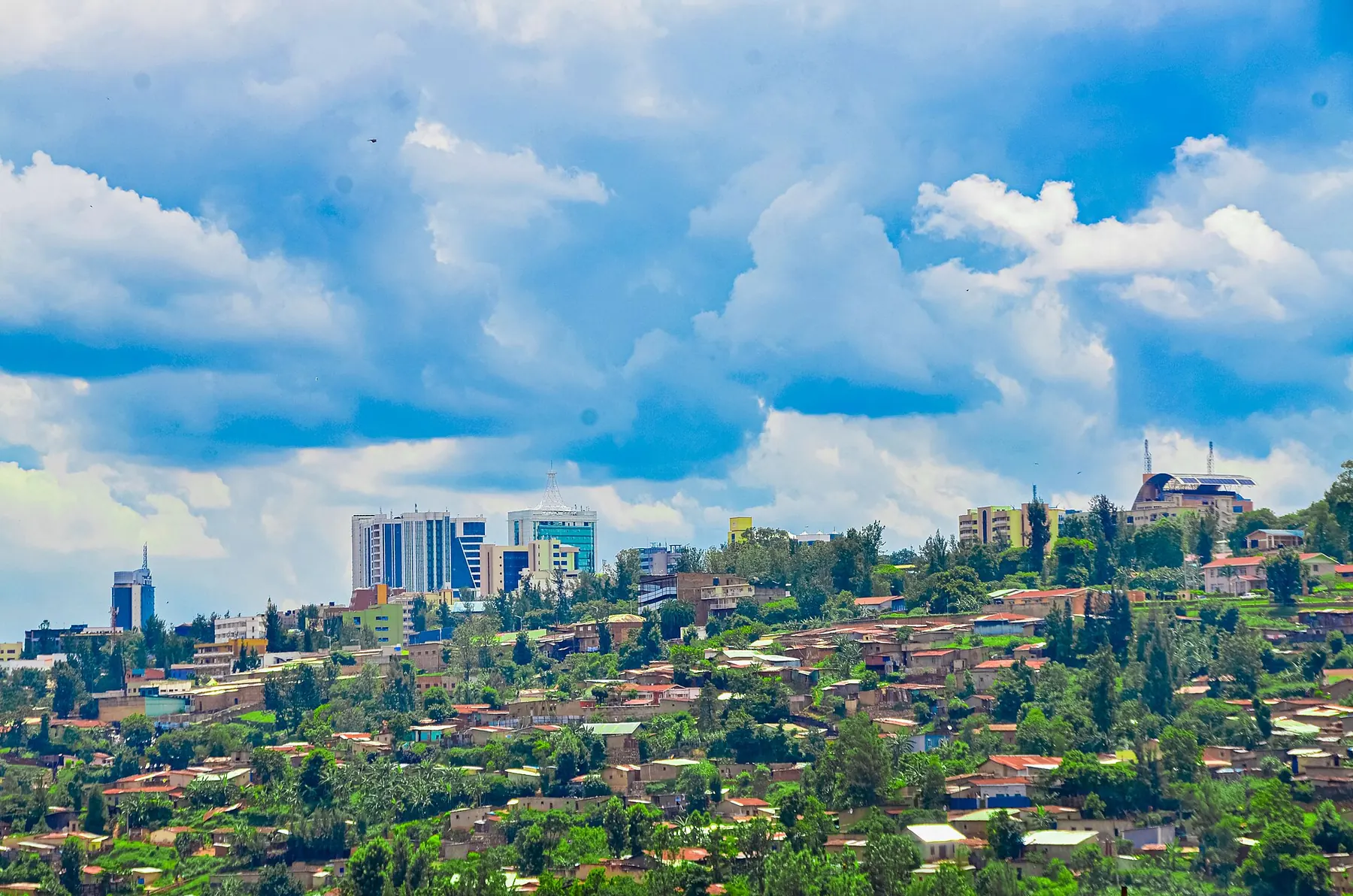
Is Rwanda Safe to Visit? An Honest 2026 Guide for Gorilla Trekkers
Yes. For most visitors Rwanda is one of the safest countries in Africa to travel in, and gorilla trekking in Volcanoes National Park runs as normal. Kigali is clean and orderly, and violent crime against visitors is rare. The real risk sits in a narrow strip along the border with the Democratic Republic of the Congo (DRC), where fighting in eastern Congo has led several governments to add warnings. This guide explains where those warnings apply, what they mean for a gorilla trip, and the everyday precautions worth taking.
- Kigali, Akagera and the main roads between the parks: normal precautions.
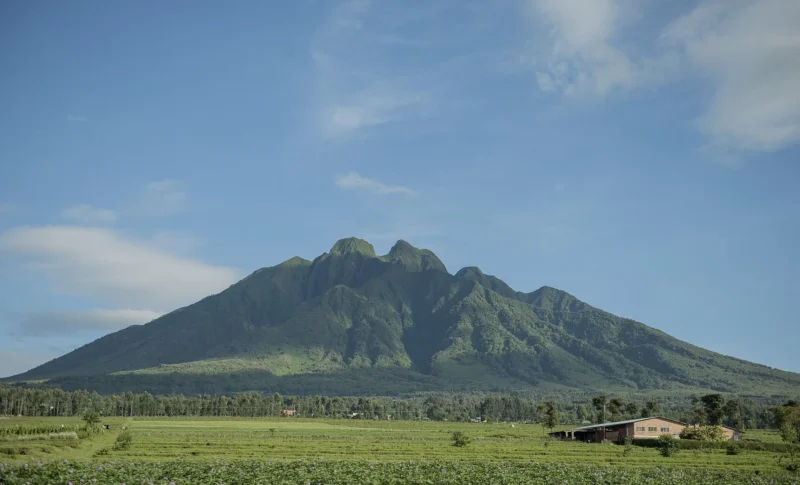
- Volcanoes National Park: gorilla trekking operates as usual. Some advice asks for extra care in the section of the park that runs along the DRC border.
- Rubavu (Gisenyi) and the Rusizi border area: extra caution, or advice against non-essential travel, depending on your government.
- Entry: foreign visitors who have recently been in the DRC are being refused entry because of Ebola measures.
What governments say right now
Travel advice differs from country to country and it changes, so read your own government’s page when you book and again a week before you fly. In October 2026 the picture looks like this:
- United Kingdom: advises against all but essential travel to the parts of Rusizi District within 10 km of the DRC border, including Kamembe Airport and the Rwandan islands in that part of Lake Kivu. The rest of Rwanda, including Volcanoes National Park and Gisenyi, is outside that warning.
- Canada: take normal security precautions in Rwanda, with a high degree of caution in Gisenyi and the strip between the NR11 and NR2 roads and the DRC border, near the border in Rusizi, and in the part of Volcanoes National Park that borders the DRC, where border markings can be unclear.
- United States and Australia: take a stricter line on districts along the DRC border, including Rubavu. If you are a citizen, read their current wording before you finalise your route.
The pattern is the same everywhere: the concern is the DRC border, not Rwanda as a whole. Kigali, Akagera National Park and the drive north to the gorillas are not the focus of any of these warnings.
Is gorilla trekking safe?
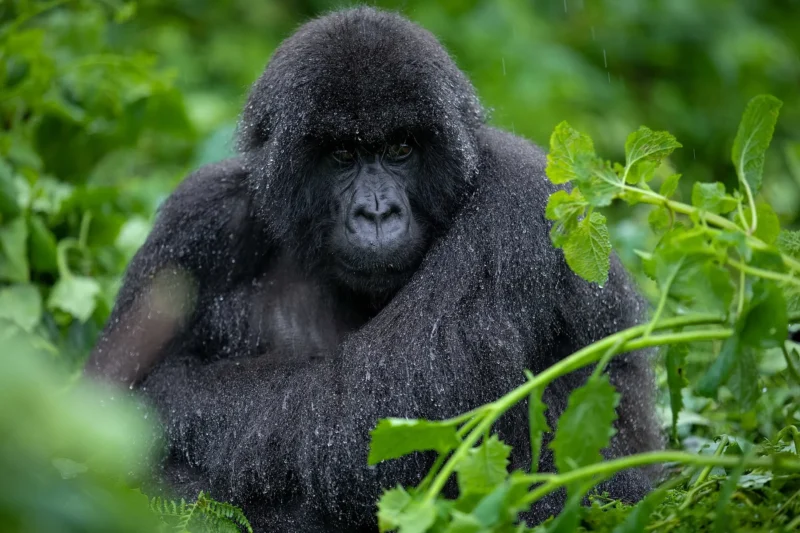
Yes. Every trek is led by park rangers and trackers who know the gorilla families personally, and armed rangers accompany each group. Visitors meet at park headquarters in Kinigi at 7:00 am, where rangers brief each group and assign it to a gorilla family. The park authority decides which families are visited and where groups walk, and that is how the border section of the park is managed.
The gorillas themselves are habituated to people and are calm in almost every encounter. A silverback may occasionally make a short bluff charge to assert himself. If that happens, do exactly what the ranger says: stay still, crouch, look down and do not run. The rules that keep you and the gorillas safe are simple:
- Keep at least 7 metres from the gorillas, even if one walks towards you.
- Your time with the family is limited to one hour, in a group of no more than eight visitors.
- Do not trek if you have a cold, flu or stomach bug; gorillas catch human illnesses.
- No flash photography, eating or smoking near the gorillas. You may be asked to wear a face mask during the hour.
The bigger challenge for most people is physical: steep, muddy slopes at altitude. Our guide to how fit you need to be covers that in detail.
Lake Kivu: Gisenyi, Karongi or Rusizi?
Lake Kivu is where border advice matters most, because the lake itself forms the frontier with the DRC. The three lakeside towns are in very different positions:
- Rubavu (Gisenyi) sits beside the Congolese city of Goma at the north end of the lake. It has the best beaches and is the closest lake town to the gorillas, but it is the town most often named in travel advice. The Gisenyi–Goma border crossing is closed to most travellers.
- Karongi (Kibuye) lies mid-lake, among steep green hills and quiet bays. It is outside the areas named in the advice above and makes the calmest base for a few nights on the lake.
- Rusizi (Cyangugu) at the southern tip is the gateway to Nyungwe National Park, but the land within 10 km of the border, including Kamembe Airport, is covered by the UK’s advice against non-essential travel. Nyungwe itself is not.
If you want time on the lake, we suggest Karongi and plan the route around it. Read more in our Lake Kivu guide, or ask us to adjust any itinerary.
Health and the Ebola entry rule
- Recent travel in the DRC: since May 2026, Rwanda has refused entry to foreign visitors who have been in or travelled through the DRC in the previous 30 days. Residents of Rwanda are treated differently. If you are combining countries, visit the DRC last, or not at all on the same trip. Combining Rwanda with Uganda is not affected.
- Ebola inside Rwanda: the government has said that tourism, events and travel within Rwanda continue as normal while these border measures are in place.
- Malaria: present in lower, warmer areas such as Akagera and the Lake Kivu shore. The risk is lower around Volcanoes National Park, but ask your doctor about antimalarial tablets for the whole trip.
- Yellow fever: you need a vaccination certificate if you arrive from, or have travelled through, a country with yellow fever risk.
- Insurance: take travel insurance that covers medical evacuation and the hiking involved in gorilla trekking.
Everyday safety in Kigali and on the road
- Petty theft: uncommon, but keep phones and bags close in markets and bus stations, and use the safe in your room.
- Driving at night: roads are good but winding, with cyclists and pedestrians on the verges. We plan long transfers for daylight.
- Moto-taxis: drivers carry a passenger helmet and fares are cheap, but a car is the safer choice for anything more than a short hop.
- Umuganda: on the last Saturday of each month, most traffic stops between about 8 and 11 am for community work. We time transfers around it.
- Plastic bags are banned and can be taken from you at the airport. Pack in fabric or zip-lock alternatives.
- Photography: do not photograph soldiers, police, military sites or government buildings.
- Emergencies: dial 112 for the police.
Visiting the Kigali Genocide Memorial is a moving and important part of many trips. Dress modestly and allow at least two hours. Our Kigali guide explains what to expect.
How we plan around safety
We check current travel advice before every departure and change routes when it changes. That means Karongi rather than Gisenyi for lake stays, daylight driving, and no itineraries that cross into the DRC. Your planner stays in touch on WhatsApp throughout the trip. If anything in this guide affects your plans, send us your dates and we will tell you honestly what we would do.
Frequently Asked Questions
Is it safe to travel to Rwanda right now?
Yes, for most visitors. Kigali, Akagera and Volcanoes National Park operate as normal. Government warnings focus on the strip along the DRC border, especially around Gisenyi and Rusizi, so check your own government's advice before you travel.
Is gorilla trekking in Rwanda dangerous?
No. Treks are led by rangers and trackers, armed rangers accompany each group, and the gorillas are habituated to people. The main challenge is the steep, muddy hike at altitude.
Is it safe to visit Gisenyi (Rubavu)?
Gisenyi is a busy lake town, but it sits next to Goma in the DRC and is named in several governments' travel advice. Read your government's current wording; we usually suggest Karongi as a calmer Lake Kivu base.
Can I enter Rwanda if I have been to the DRC?
Not at the moment. Since May 2026, foreign visitors who have been in or travelled through the DRC in the previous 30 days are refused entry as an Ebola precaution.
Is Kigali safe at night?
Kigali is one of the safest capital cities in Africa and its central districts are well lit and busy in the evening. Take the usual city precautions and use a car or a registered taxi late at night.
Is Rwanda safe for women travelling alone?
Yes. Women regularly travel in Rwanda on their own, and harassment is less common than in many countries. Normal precautions apply, as they would anywhere.
Have a Question?
Ask us anything about this topic or your trip. A Kigali-based trip planner answers by email within one working day.

Gorilla Trekking In Rwanda
Our Kigali-based planners arrange gorilla permits, lodges and transport for private trips across Rwanda.